Effective Approaches for Successful Pet Training: A Comprehensive Guide
Reliable dog training calls for a nuanced understanding of canine habits. It depends upon the concepts of favorable reinforcement and uniformity. Trainers need to recognize the significance of important commands and socialization. Resolving typical behavioral issues can change a dog's personality. As the bond between proprietor and dog enhances, the way they connect advances. The journey of effective training incorporates various approaches that may surprise also seasoned family pet proprietors. What are the crucial elements that can make a significant difference?
Recognizing Dog Actions
Understanding canine habits is essential for effective pet training, as it enables fitness instructors to analyze a canine's actions and reactions in various situations. Pet dogs connect mostly through body language, articulations, and facial expressions. Identifying signs of anxiety, fear, or hostility can assist fitness instructors readjust their methods to guarantee a positive training experience. A wagging tail does not always show joy; the context and various other body cues have to be considered.
Additionally, comprehending a canine's breed-specific attributes can supply understandings into their actions patterns and impulses. Socializing plays an essential role in forming a pet dog's responses to new individuals and environments. Observing a dog's play design can also disclose their character and convenience degrees. By thoroughly assessing these actions, fitness instructors can produce customized methods that cultivate discovering and reinforce the bond in between pet and proprietor, inevitably causing more effective training end results.
The Importance of Favorable Support
Favorable support is a crucial approach in pet training that improves the discovering procedure by fulfilling preferred behaviors. This approach motivates dogs to duplicate activities that yield favorable results, such as deals with, praise, or playtime (Dog Training Near Me). By connecting great behavior with benefits, dogs become a lot more motivated and involved during training sessions

Incorporating favorable reinforcement into training routines can result in quicker discovering and far better retention of commands. It promotes a happy ambience that boosts both the dog's experience and the trainer's fulfillment, making it a basic facet of effective pet dog training.
Essential Commands Every Pet Dog Need To Know
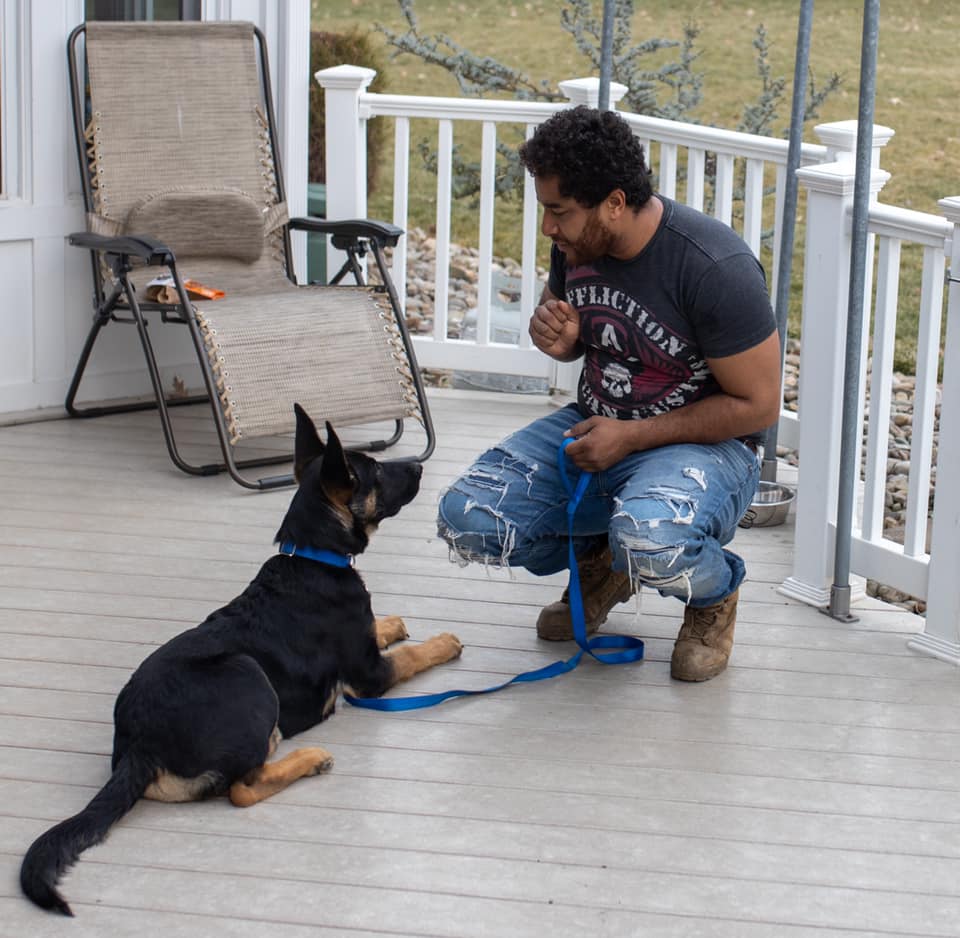
Creating a Regular Training Schedule
Developing a constant training timetable is vital for reliable canine training, as it helps enhance knowing and produces a feeling of routine for the dog. A structured technique enables both the canine and the trainer to anticipate training sessions, which can boost emphasis and interaction. Ideally, training sessions must be short, long-term between 5 to 15 mins, to keep the canine's attention and interest.
Integrating training right into day-to-day activities, such as mealtime or walks, can likewise advertise consistency. This assimilation assists canines associate training with favorable experiences. It is essential for fitness instructors to stay versatile; unexpected events may demand adjustments to the schedule.
Additionally, repetition is key. Routine practice of habits and commands solidifies knowing and constructs self-confidence. By adhering to a regular routine, fitness instructors can ensure that their dogs establish good routines and react reliably to commands, laying the foundation for reliable training end results.
Socialization: Trick to a Well-Adjusted Pet dog
Socializing is essential for a dog's advancement, influencing their habits and communications with people and other animals. Early direct exposure to different atmospheres, appears, and experiences can considerably enhance a pet dog's flexibility and self-confidence. Using effective socializing strategies can aid guarantee a well-adjusted canine companion.
Relevance of Early Socialization

Techniques for Efficient Socializing
While several canine owners acknowledge the relevance of socialization, recognizing effective strategies to facilitate this procedure is important for fostering a well-adjusted family pet. Progressive exposure to diverse atmospheres, individuals, and various other pets can greatly enhance a dog's comfort degree in numerous situations. Favorable support plays a vital function; fulfilling wanted actions urges dogs to approach brand-new experiences with self-confidence. Structured playdates with courteous pets help reduce and create social skills worry feedbacks. Registering in obedience courses can additionally offer regulated environments for socializing. Ultimately, maintaining a calm disposition as a proprietor strengthens the dog's sense of safety and security, permitting more effective interactions. These techniques jointly add to a balanced and adaptable canine buddy.
Dealing With Common Behavioral Issues
Handling usual behavior problems is necessary for keeping a harmonious relationship in between dogs and their proprietors. Trick difficulties such as aggressiveness, extreme barking, and leaping actions require targeted approaches to handle properly. Understanding the origin of these habits can result in effective interventions and an extra well balanced canine companion.
Dealing With Hostility Issues
Aggression in pet dogs can manifest in various forms, presenting challenges for proprietors and fitness instructors alike. Attending to these concerns demands a detailed understanding of the underlying reasons, which might include worry, resource, or territoriality protecting. Identifying triggers is vital; proprietors should observe their pet dog's body movement and actions to determine particular circumstances that provoke aggressiveness. Positive support strategies can effectively customize aggressive habits, gratifying calm actions to determined triggers. Uniformity is crucial, and proprietors need to continue to be individual throughout the training process. In many cases, specialist guidance from a qualified dog instructor or behaviorist might be called for, particularly for severe hostility. Ultimately, the objective is to create a secure atmosphere for both the pet and those around it.
Handling Too Much Barking
Extreme barking can be a significant nuisance for pet owners and next-door neighbors alike, commonly signaling underlying problems that need attending to. Identifying the triggers behind the barking is necessary; these may consist of dullness, anxiety, or an action to external stimulations. Proprietors must observe their dog's habits and setting to pinpoint the cause. Dog Training Near Me. Carrying out regular training techniques, such as favorable support, can effectively minimize barking. Educating commands like "quiet" or redirecting the pet dog's focus right now of barking can be beneficial. Furthermore, providing appropriate physical and psychological stimulation with exercises and interactive playthings can ease boredom-related barking. Sometimes, getting in touch with an expert fitness instructor or behaviorist may be essential to establish customized techniques that address persistent barking problems
Lowering Jumping Behavior
Lots of pets show leaping actions, frequently as a way of revealing enjoyment or looking for interest from their visitors and proprietors. This habits can be bothersome, specifically when it brings about unintended injuries or pain for guests. To decrease jumping, proprietors need to initially continue to be tranquil and avoid compensating the habits with interest, as this can strengthen it. Instead, they can teach an alternative behavior, such as resting, by compensating the pet for continuing to be tranquility when someone approaches. Uniformity is vital; all member of the family need to reference implement the exact same policies. Furthermore, training sessions ought to include interruptions to help the dog find out to regulate their impulses. Gradually, with perseverance and persistence, leaping can be significantly lowered, bring about a much more positive environment.
Building a Strong Bond With Training
Although educating a canine often focuses on commands and habits, it also serves as a crucial opportunity to strengthen the bond in between the canine and its owner. Participating in training sessions cultivates communication, common understanding, and trust. When proprietors spend time in teaching their canines, they demonstrate commitment, which assists the dog feel secure and valued. Positive support strategies, such as treats and praise, not just urge desired habits yet also strengthen the psychological connection in between the dog and proprietor.
Additionally, consistency in training builds a feeling of integrity, permitting canines to comprehend their duty within the house. Each successful command enhances the pet dog's self-confidence, bring about a deeper partnership. Routine training sessions can end up being enjoyable bonding experiences, loaded with playfulness and communication - Dog Training Near Me. Ultimately, the procedure of training transcends plain obedience, producing a collaboration that improves the lives of both the pet and its proprietor
Frequently Asked Concerns
What Age Is Best to Beginning Educating a Puppy?
The most effective age to start training a puppy is commonly in between 8 to 12 weeks. At this phase, pups are most receptive to finding out, making it a suitable time for foundational training and socializing.
Just how Long Should Each Training Session Last?
The suitable duration for each canine training session generally ranges from 5 to 15 mins, relying on the canine's age and interest span. Short, concentrated sessions improve discovering and retention, making training much more delightful and efficient.
Can Older Pet Dogs Still Be Trained Successfully?
Older pet dogs can certainly be educated effectively. With perseverance and regular strategies, they can find out brand-new commands and actions. Their experience frequently makes them a lot more responsive to training, improving the bond in between pet and owner.
What Tools Do I Need for Training?
For reliable dog training, vital equipment includes a strong leash, a comfortable harness, high-value deals with, training clickers, and a selection of playthings. These devices help with interaction and enhance positive behaviors during training sessions.
Exactly how Do I Track My Pet's Training Progress?
To track a dog's training progression, one can keep a journal, record milestones, and note behavior adjustments. Regular evaluations, consisting of timed commands and obedience examinations, aid determine improvement and recognize locations needing additional focus.
Recognizing canine actions is important for effective pet dog training, as it permits trainers to translate a dog's actions and reactions in various scenarios. Developing a constant training timetable is important for reliable pet training, as it assists enhance knowing and develops a sense of regular for the dog. Training a pet usually focuses on commands and behaviors, it additionally offers as a vital possibility to enhance the bond between the dog and its proprietor. When proprietors spend time in educating their pets, they show dedication, which aids the pet really feel secure and valued. The perfect duration for each pet training session generally ranges from 5 to 15 minutes, depending on the dog's age and focus period.
Comments on “Dog Training Near Me: Common Mistakes Owners Should Avoid”